
Ladders - Fixed Access
On this page
When should you inspect fixed ladders?
Back to top- Inspect the fixed ladder before each use.
- Inspect fixed ladders periodically, and at least annually. Inspections may be required more frequently depending on the organization's requirements or the ladder's exposure to elements such as weather or salt air.
- Report any defect promptly.
- Keep a record of every inspection.
What should you check for when inspecting access ladders?
Back to topBefore using an access ladder, inspect it for:
- loose, worn and damaged rungs or side rails
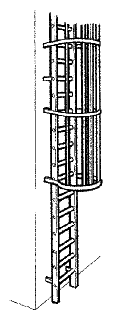
- damaged or a corroded cage
- corroded guards, bolts and rivet heads
- damaged or corroded handrails and brackets on platforms
- broken or loose anchorages
- weakened or damaged rungs on brick or concrete slabs
- defects in climbing devices, including loose or damaged carrier rails or ropes
- slippery surfaces from oil and ice
- clutter blocking the base and top of the ladder or platform
- damage or corrosion to the access area, rest platforms, or top landing area.
- the proper functioning of any safety gates
What should be done when climbing a fixed ladder?
Back to top- If outdoors, make sure that any weather conditions will not impact the use of the ladder safely.
- Make sure the ladder can support the complete load placed on it (workers and equipment).
- Wait until the other person has exited before ascending or descending.
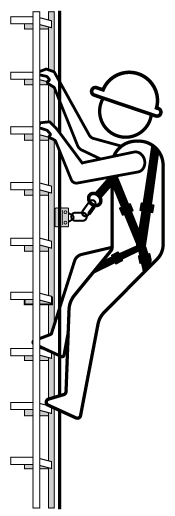
- Use the appropriate safety devices (e.g., fall arrest systems, travelling fixture, vertical lifelines, safety rail).
- Maintain three-point contact by keeping two hands and one foot, or two feet and one hand, on a ladder at all times.
- Face the ladder and use both hands to grip the rungs firmly.
- Place feet firmly on each rung.
- Wear footwear with heels. Ensure that footwear is in good condition.
- Clean muddy or slippery boot soles before mounting a ladder.
- Rise or lower tools and materials using a tool belt or hand line.
What should not be done when climbing a fixed ladder?
Back to top- Avoid climbing with wet or muddy soles that may increase the chances of slipping.
- Do not carry tools or materials in your hands while climbing. Use a hand line or carry small tools in a tool pouch attached to a belt.
- Do not jump from a ladder. Check the footing before descending a ladder.
- Do not hurry up or slide down a ladder.
- Climbing ladders above 3 metres (10 feet) also requires the use of fall protection.
- Fact sheet last revised: 2025-10-16