Scheduled maintenance - Thursday, July 12 at 5:00 PM EDT
We expect this update to take about an hour. Access to this website will be unavailable during this time.
Are you a registered seafarer? Free access is provided to Canadian seafarers courtesy of Transport Canada Marine Safety and Security.
Register for the course.
Single Seat (90 days access from date of purchase)
Group Training (multi-seat) (1 year access from date of purchase)
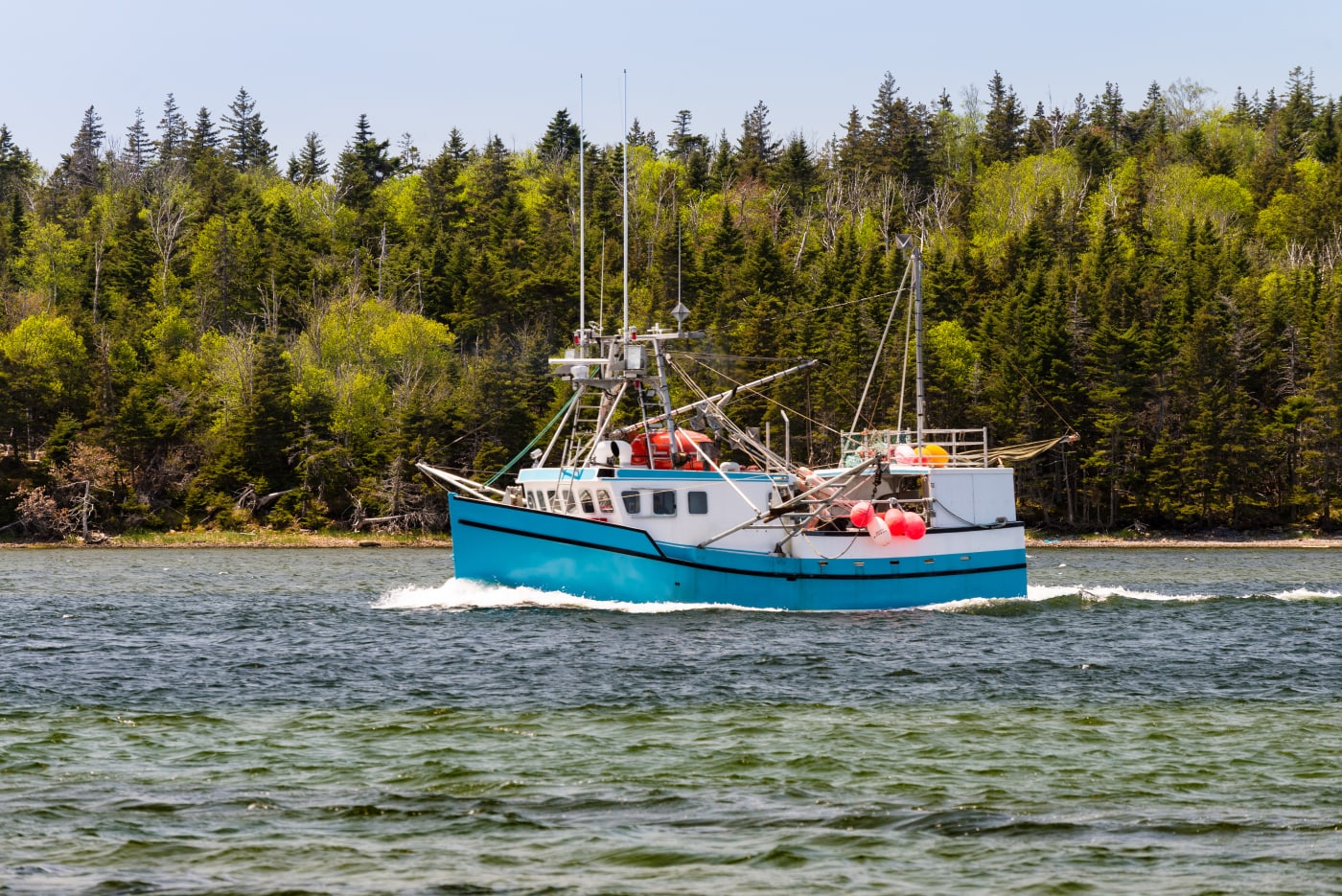
Vessel stability is an important part of seaworthiness. It is your actions and your decisions that will keep your vessel safe. Even if your vessel is considered structurally safe and complies with all the rules, poor operational decisions can cause it to capsize.
This course introduces the principles of stability for small fishing vessels operating in Canadian waters. You will learn about the factors that can affect vessel stability, including weight distribution, buoyancy and centre of gravity. You will also learn how to assess and maintain stability and to ensure the safe navigation and operation of small vessels.
Average time to complete this course is approximately 1.5 hours
This stability course is meant for seafarers who don’t have formal TC-approved stability training (Ship Construction and Stability, Level 1 or higher) and who operate a fishing vessel.
None
Upon completion of the course and passing a final, multiple-choice exam, learners will be able to print a certificate of completion.
CCOHS courses are unique in that they are developed by subject specialists in the field, and reviewed by representatives from labour, employers and government to ensure the content and approach are unbiased and credible.
Transport Canada is responsible for maintaining and enhancing marine policies and programs that aim to promote a safe, secure, efficient, and environmentally responsible maritime transportation industry.
CCOHS courses are unique in that they are developed by subject specialists in the field, and reviewed by representatives from labour, employers and government to ensure the content and approach are unbiased and credible.

Earn a certificate upon successful course completion (except free awareness courses).
CCOHS courses are hosted by Vubiz Ltd., an international leader in eLearning development.